
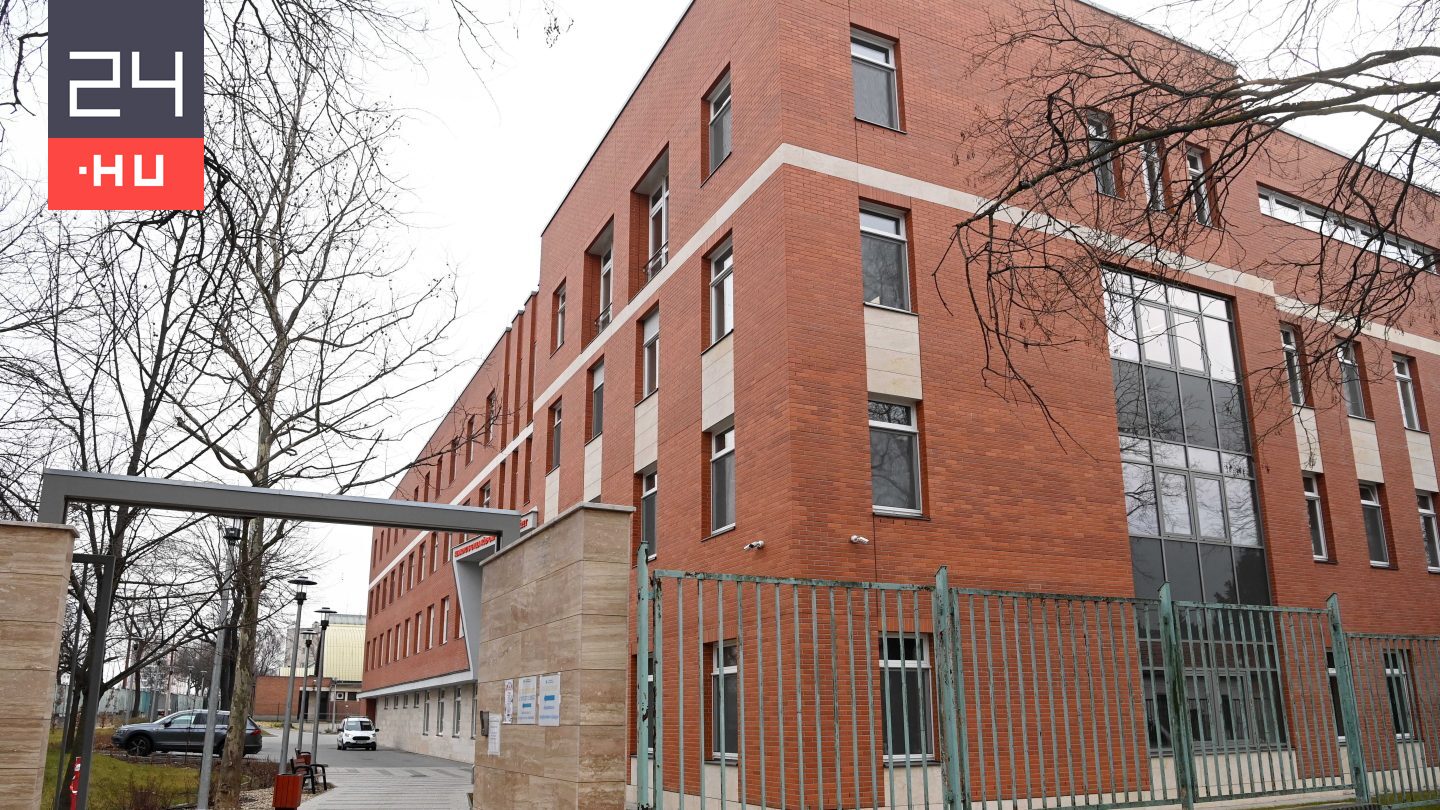
Bajcsy-Zsilinszky Kórház belgyógyászati emeletének bezárása
Recent reports have emerged highlighting a troubling situation at the Bajcsy-Zsilinszky Kórház in Budapest, where a significant lack of capacity and personnel has forced the temporary relocation of patients from its internal medicine department. According to statements made by a healthcare worker to Telex, the hospital’s internal medicine wards can no longer accommodate patients assigned to them, primarily due to critical shortages of nurses and doctors. As a consequence, these patients are being transferred to other non-internal medicine departments.
This transfer poses a serious risk for the patients, as they may be physically distanced from their attending physicians, potentially delaying necessary medical attention during health crises. Furthermore, the alternative wards are often lacking essential medications, and the staff in these departments are reportedly unprepared for the continuous demands of internal medicine care. The source pointed out that all stakeholders are aware of the situation, yet substantial changes seem elusive, raising concerns about the impact of such practices on patient health and safety.
Kórház vezetése: átmeneti megoldás
The management of the Bajcsy-Zsilinszky Kórház acknowledges the issue, indicating that the practice of relocating internal medicine patients is intended as a temporary measure. Dr. Révai Róbert, the hospital’s medical director, asserts that this decision has been made while adhering to clinical and patient safety regulations and assures that it does not compromise the quality of care provided.
Currently, the hospital operates three internal medicine departments, but the third one has been closed due to a viral outbreak. The first internal medicine ward is virtually non-operational on the first floor; the patient section is empty, with parts of the ward repurposed as storage. Patient care continues exclusively on the second floor, which is also facing a shortage of available beds.
Kapacitáscsökkenés és szakemberhiány
A recent article by Direkt36 sheds light on how the severe workforce shortages in Hungarian healthcare are being managed not by openly closing hospitals, but rather by „pausing” entire wards and beds. This approach has led to a nationwide decrease in available capacity while simultaneously degrading the quality of care. In 2024, nearly 8.5% of hospital beds went unused for over six months, with the rate surpassing 11% in Budapest. This capacity reduction has significantly impacted major hospitals in the capital.
The investigative portal emphasizes that this situation is not reflective of a reduced patient load, but rather highlights a critical manpower shortage. Many departments report bed occupancy rates exceeding 80%, with some facilities operating under extreme overcapacity. According to healthcare analyst Kunetz Zsombor, the root of the problem lies in Hungary’s overly hospital-centric healthcare model, which is exacerbated by the underdevelopment of primary and outpatient care systems, further increasing the burden on hospitals.
